
Intravenous fluids with vitamins, minerals, and electrolytes
30 to 60 minutes
Brief pinch at insertion, then nothing for the rest of the session
None. You can return to normal activity immediately
Hydration, energy, immune support, recovery, and beauty blends
Many patients notice a difference the same day, particularly with hydration
As needed, or on a regular schedule depending on your goals
Sometimes the problem is not what you are doing but what your body is not holding onto. Travel, illness, hard training, long hours, and stress all deplete fluids and nutrients faster than food and water can replace them, and the result is fatigue that does not lift with rest.
IV hydration therapy at Cary Care Esthetics delivers fluids, vitamins, and minerals directly into the bloodstream, bypassing the digestive tract entirely. Drips are selected around what you are actually trying to address, whether that is rehydration, recovery, or general wellness support, and a session takes 30 to 60 minutes in a comfortable chair.
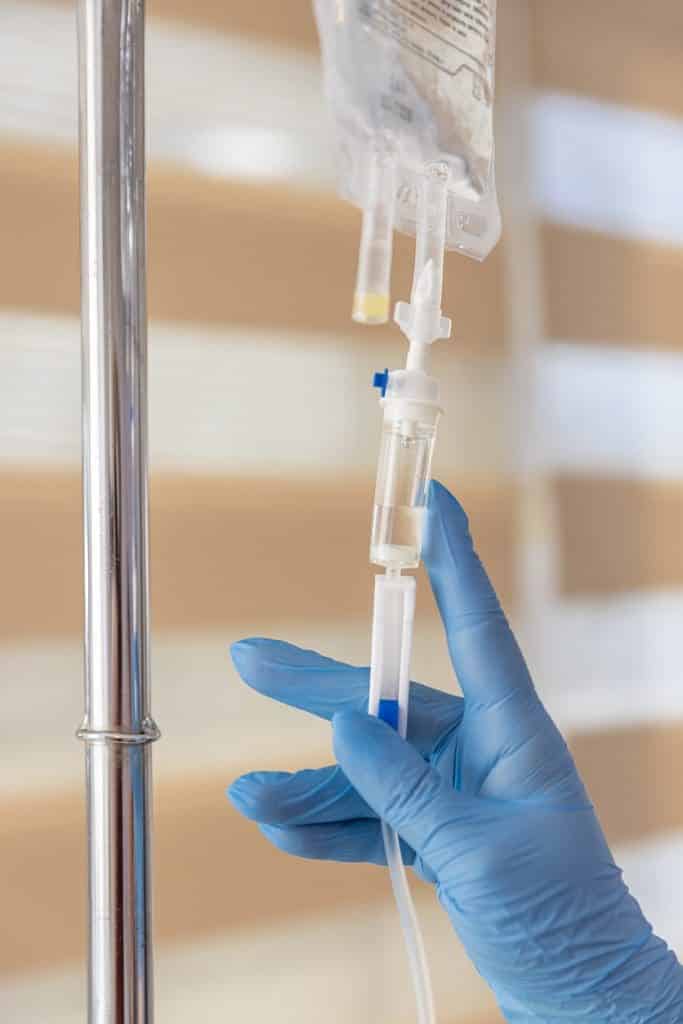
IV hydration therapy is the delivery of a sterile blend of fluids, vitamins, minerals, and electrolytes through a small catheter placed in a vein. Because the infusion enters the bloodstream directly, it bypasses the digestive system, where absorption of oral supplements varies considerably from person to person and nutrient to nutrient.
That is the actual advantage, and it is worth being precise about it. Oral supplements have to survive stomach acid and cross the intestinal wall, and how much of a given nutrient makes it through depends on the nutrient, the dose, and the individual. An infusion removes that variable. It is not a replacement for a good diet, and it does not make nutrients work differently once they are in circulation.
At Cary Care Esthetics in Cary, NC, drips are customized rather than sold off a fixed menu. Blends range from straightforward hydration to formulations built around energy, recovery, immune support, and skin health.
Fluids and electrolytes are replaced directly, which is the most immediate and reliable effect of the treatment.
Replacing nutrients your body has run low on addresses one common contributor to persistent fatigue.
Useful for anyone whose absorption is compromised or who does not tolerate oral supplements well.
B vitamins, vitamin C, and zinc all contribute to immune function, and replacing them supports what your body already does.
Frequently used after intense exercise, travel, or a period of illness when intake has been poor.
Dehydration shows on the face before almost anywhere else, and rehydration tends to show there too.
Blends are chosen for what you are trying to address rather than applied uniformly.
Thirty to sixty minutes seated comfortably, with no downtime and nothing to recover from.

Your session starts with a short review of your health history, current medications, and what you are hoping to address. Your provider selects or adjusts a drip on that basis rather than defaulting to a standard bag.
A small catheter is then placed into a vein, usually in the arm or the back of the hand. You feel a brief pinch at insertion and generally nothing after that. The infusion runs over 30 to 60 minutes depending on the volume and the blend, and you can read, work, or rest while it does.
Once the fluid is in circulation, it is available to your body immediately, without passing through the digestive tract first. Many patients notice the hydration effect the same day. Effects tied to correcting a nutrient shortfall depend on how depleted you were to begin with and generally take longer to be apparent.
Patients in Cary, NC, come to us for IV therapy for reasons that range from acute to ongoing:
The most direct application, whether from illness, heat, exertion, or simply not drinking enough over time.
Tiredness that does not resolve with rest and may have a nutritional component.
Reduced capacity for physical activity you used to handle comfortably.
Shortfalls identified through testing or suspected from symptoms and diet.
Digestive conditions and certain medications both reduce how much you absorb from food and supplements.
Longer than usual to feel normal again after hard training.
The period after a virus or infection when appetite and intake have been poor for days.
Long flights, time zone changes, and disrupted routines all take a measurable toll.
Dehydration and electrolyte loss after drinking, addressed through rehydration.
Sustained stress increases demand for several nutrients and often coincides with eating worse.
Periods when you seem to catch everything going, often alongside poor intake and high demand.
Mental cloudiness that can accompany dehydration and nutrient shortfalls.
Skin that looks flat and tired, which often tracks with overall hydration status.
High output with low recovery time, which describes most of the people who book this.
Most healthy adults are suitable candidates, particularly those dealing with dehydration, recovery after illness or exertion, or fatigue with a possible nutritional component. It also suits people who do not absorb or tolerate oral supplements well.
It is not appropriate for everyone, and the reason is worth understanding: an infusion adds fluid volume to your circulatory system. That makes it unsuitable for patients with heart failure, kidney disease, uncontrolled high blood pressure, or any condition requiring fluid restriction, without clearance from the physician managing that condition. High-dose vitamin C is a specific concern for anyone with G6PD deficiency. Pregnancy and breastfeeding warrant evaluation before treatment.
Tell your provider about every medication and supplement you take, including anything over the counter, since several interact with the vitamins and minerals used in these blends. If anything in your history suggests IV therapy is not the right approach, you will be told at the consultation rather than after the catheter is in.
You are seated comfortably for the duration. After your history review and drip selection, your arm is cleaned, and a small catheter is placed. The insertion is the only part most patients would describe as uncomfortable, and it lasts a few seconds.
The infusion then runs on its own. You may notice a cool sensation as the fluid enters, and some patients report a mineral or vitamin taste partway through, which is normal and passes. You are monitored throughout and can ask for the rate to be adjusted if anything feels off.
When the bag finishes, the catheter is removed, and a small bandage is applied. There is no recovery period. Most patients get up and carry on with their day immediately.

It depends entirely on why you are having it. Patients using IV therapy for a specific event, such as recovery after illness, travel, or a hard training block, typically come as needed and no more often than that.
Patients addressing ongoing fatigue, absorption problems, or sustained high demand often settle into a regular rhythm, commonly monthly, though some go more frequently during demanding periods. There is no fixed schedule and no benefit to going more often than your goals require. Your provider will suggest an interval and adjust it based on how you respond.
Method | How It Is Delivered | Time Required | Worth Knowing |
|---|---|---|---|
IV hydration therapy | Infusion directly into a vein | 30 to 60 minutes | Bypasses digestion entirely. Delivers fluid volume as well as nutrients |
Oral supplements | Swallowed, absorbed through the gut | Seconds daily | Convenient and inexpensive. Absorption varies by nutrient and individual |
Intramuscular injection | Injected into muscle | A few minutes | Faster than oral for some nutrients. No fluid volume delivered |
Oral rehydration | Water and electrolyte drinks | Ongoing | Effective for everyday hydration and should not be replaced by IV therapy |
Dietary change | Food | Ongoing | The foundation. Nothing on this list substitutes for it. |
IV therapy is a supplement to good nutrition and hydration, not a replacement for either. It is most useful when demand is high, absorption is compromised, or replacement needs to happen quickly.
Drips selected for you: Your blend is chosen around your goals and your history rather than pulled from a fixed menu.
A full history review first: Medications, conditions, and supplements are reviewed before anything is selected, because interactions are the main risk worth screening for.
Part of a wider wellness approach: IV therapy sits alongside metabolic testing and other wellness services rather than being sold in isolation.
A comfortable setting: Sessions are 30 to 60 minutes in a relaxed environment rather than a clinical one.
Honest guidance on frequency: You will not be encouraged to come more often than your goals warrant.
Convenient Cary location: Easily accessible for patients across Cary, Raleigh, and the wider Triangle.
Sessions typically run 30 to 60 minutes depending on the volume and the blend. You are seated comfortably throughout and can read, work, or rest.
Blends include straightforward hydration, energy support, immune support, recovery formulations, and beauty blends. Your provider will recommend one based on your goals and your history.
It is generally well tolerated when administered with sterile technique after a proper health history review. The main risks are minor bruising or irritation at the insertion site. It is not suitable for everyone, particularly patients with heart or kidney conditions or those on fluid restriction, which is why the history review comes first.
That depends on why you are having it. Patients treating a specific event come as needed. Patients addressing ongoing fatigue or absorption issues often settle into a monthly rhythm. There is no benefit to going more often than your goals require.
Most patients feel a brief pinch when the catheter is placed and nothing for the rest of the session. Some notice a cool sensation as the fluid enters, or a passing taste partway through, both of which are normal.
Cost depends on which blend you choose and whether any add-ins are included, so pricing is confirmed before your session rather than quoted in advance. Many patients treating an ongoing concern ask about package pricing, which we are happy to discuss at your visit.
Not routinely for standard hydration and vitamin blends. Bloodwork becomes useful if you are treating a suspected deficiency, because it confirms what is actually low rather than guessing, and it lets you measure whether treatment is working. Your provider will advise whether testing is worth doing in your case.
Patients with heart failure, kidney disease, uncontrolled high blood pressure, or any condition requiring fluid restriction should not have IV therapy without clearance from the physician managing that condition, because an infusion adds volume to the circulatory system. High-dose vitamin C is a specific concern in G6PD deficiency. Pregnancy and breastfeeding warrant evaluation first.
Oral supplements have to pass through your digestive system, and how much of a given nutrient is absorbed varies by nutrient, dose, and individual. An IV bypasses that entirely and also delivers fluid volume, which supplements do not. Oral supplements are cheaper, more convenient, and perfectly effective for most everyday purposes. IV therapy is most useful when absorption is compromised, or replacement needs to happen quickly.
If fatigue, poor recovery, or run-down stretches have become the norm rather than the exception, IV therapy is a straightforward way to address the hydration and nutrient side of it. Your provider will review your history and recommend a blend built around what you are actually dealing with.
Visit us at 1150 NW Maynard Rd., Suite 140, Cary, NC 27513, call 919-500-7723, or contact us online to book your session.